Evo X Bolt-On Mods That Actually Work
You can spot an Evo X that’s been “modded” the wrong way from across a parking lot – loud, heat-soaked, and inconsistent. The right bolt-ons feel different. The car starts clean, idles clean, pulls the same on the third hit as it did on the first, and doesn’t turn every drive into a temperature-management game.
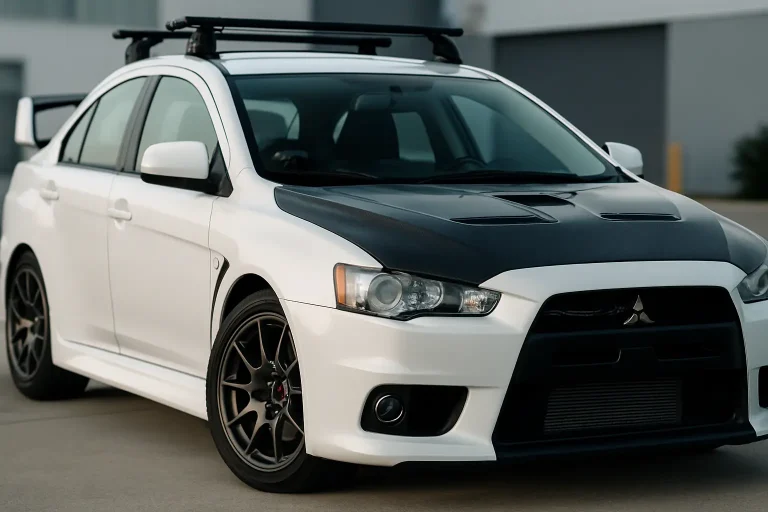
This evo x bolt on mods guide is built around that idea: parts that make measurable gains without turning your 4B11T into a science project. No fairy-tale horsepower. No parts-bin guessing. Just a clean path that works for daily driving, spirited canyon runs, and track days.
Start with your baseline (so the mods behave)
Bolt-ons are only “bolt-on” when the platform is healthy. The Evo X is forgiving, but it’s not magic – a tired cooling system, old plugs, boost leaks, or sketchy sensors can make even the best parts feel disappointing.
Before you chase power, get your maintenance and data in order. Fresh plugs gapped appropriately for boost, clean filters, and a quick boost-leak check go a long way. If you’ve got inconsistent fuel trims, random misfire counts, or knock activity you can’t explain, fix that first. You’re not losing time – you’re buying consistency.
The power order that makes sense on a 4B11T
On the Evo X, airflow and charge temps are the first big levers. The factory turbo responds well to freeing up the intake and exhaust path, but it responds even better when the intercooler isn’t getting overwhelmed. The best bolt-on builds follow a simple logic: reduce restriction, control heat, then calibrate.
Intake: small gains, big drivability when it’s done right
An intake is rarely the single mod that changes your whole car. Where it earns its keep is repeatability and throttle response, especially when paired with a tune. A quality intake with proper MAF scaling support keeps the car from hunting fuel trims or feeling “off” in transient throttle.
Two trade-offs matter here. First is heat – an open element in the engine bay can look and sound great while ingesting hot air at low speed. Second is MAF placement and diameter – changes here can shift measured airflow and throw off fueling without calibration. If you want the car to feel OEM-clean, plan for tuning when you change the intake path.
Intercooler upgrade: the mod that protects power
If you do one “grown-up” bolt-on, make it the intercooler. The Evo X can feel strong on the first pull with stock intercooling, then progressively softer as intake air temps climb. That’s not a vibe issue – it’s the ECU doing its job to keep the motor safe.
A larger, more efficient front-mount intercooler gives you cooler, denser air and more stable timing. The result is power you can use more than once. Expect a little more volume to pressurize, which can slightly change spool characteristics, but the payoff is consistency and a safer window for additional boost.
Exhaust: pick the right restriction to remove
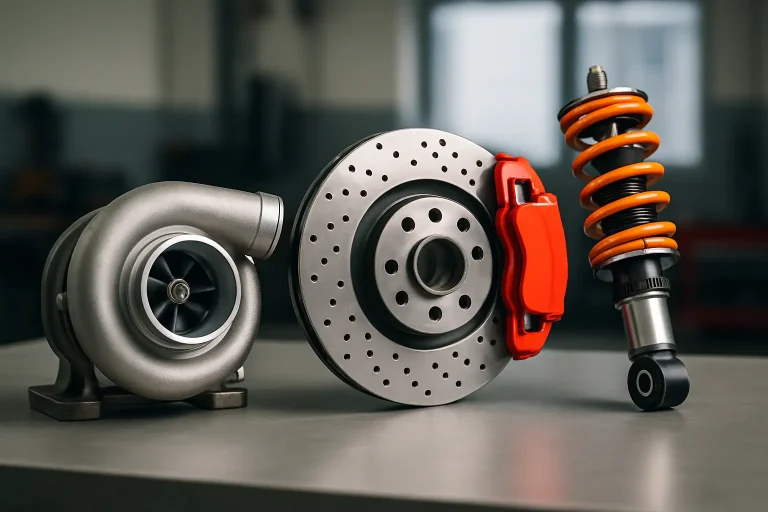
Exhaust upgrades can mean different things depending on how far you go. The biggest “bottleneck” on many turbo cars is right after the turbine. Freeing that area up helps the turbo work less for the same airflow. That typically means a downpipe is where you feel the change most.
Cat-back systems are popular because they’re simple and they add sound. But sound is not airflow, and airflow is what the turbo cares about. If your goal is performance per dollar, focus on the components closest to the turbo first.
The trade-off is noise, cabin drone, and emissions compliance depending on your configuration. For a street car, a well-designed setup that controls drone and maintains reasonable backpressure characteristics tends to be the one you keep long-term.
Boost control: consistency beats spike
The stock boost control strategy can work fine at stock power, but as you change flow and reduce restriction, you want boost that hits targets without overshoot. A proper boost control solution and clean vacuum routing help keep the car predictable.
Spiking boost might feel exciting until you see knock or you watch the ECU pull timing. Consistent boost is faster in the real world, especially when you’re hot-lapping or rolling into throttle in a higher gear.
Fueling: only when your goals demand it
A lot of owners jump to fuel system parts early because they feel “serious.” The reality is that fueling needs to match power goals, fuel quality, and tuning approach.
If you’re staying near stock turbo power on pump gas, you may not need major fueling changes immediately. But if you plan to run ethanol blends, increase boost, or push the factory turbo to the edge, fuel pump capacity and injector headroom become the difference between a fun build and a lean-condition headache.
The trade-off is complexity. Bigger injectors require proper characterization in the tune. Ethanol requires reliable fueling and a plan for cold starts and fuel content consistency. It’s worth it when your setup calls for it, not just because it’s popular.
The tune: where bolt-ons become a setup
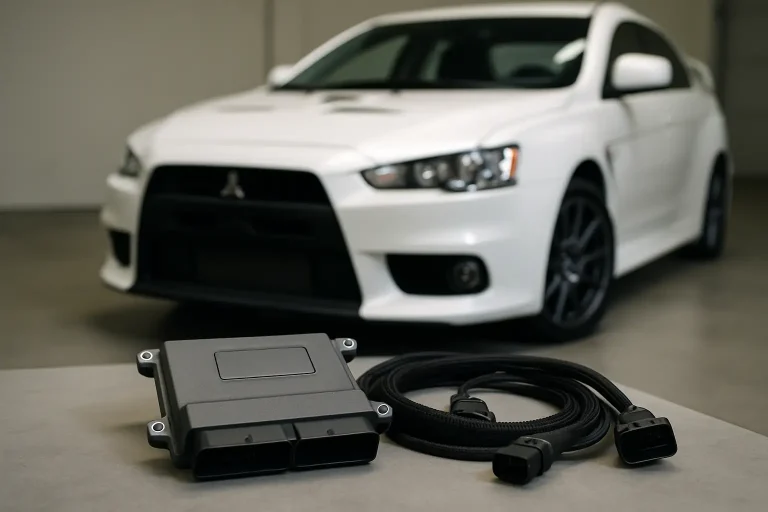
On the Evo X, bolt-ons without calibration are leaving performance and safety on the table. A tune ties the airflow changes together – MAF scaling, boost targets, ignition timing, fuel targets, and torque modeling.
The biggest benefit isn’t peak horsepower. It’s how the car drives: smoother part-throttle, cleaner boost control, and fewer “mystery” moments where the car feels strong one day and flat the next.
If you only budget for one “non-hardware” step, budget for tuning that matches your parts and your fuel. That’s how you keep the car fast and reliable.
Supporting mods that make the Evo X better to drive
Power is fun, but the Evo X becomes a different car when you address the stuff that makes power usable.
Cooling: because the track doesn’t care about your dyno sheet
Heat is the quiet limiter on a 4B11T. Better intercooling helps, but it’s not the whole story. Oil temps, coolant temps, and underhood heat management affect how hard you can drive and how long you can stay in it.
If you do extended pulls, track days, or live where summers are brutal, prioritize cooling upgrades that improve stability. The goal is boring temps. Boring is fast.
Engine mounts and bushings: the “why does it feel tighter?” mod
A fresh set of mounts or upgraded bushings won’t win dyno arguments, but you’ll feel it in every shift and throttle transition. Less drivetrain slop improves response, reduces wheel hop, and makes the car feel more precise.
The trade-off is NVH. Stiffer mounts transmit more vibration into the cabin. For a daily, many owners pick a middle-ground option that sharpens the car without making it miserable in traffic.
Suspension and alignment: the real Evo cheat code
If your Evo X is on old struts or random alignment settings, bolt-on power mods won’t fix the car’s behavior. A suspension refresh and a performance-minded alignment can transform front-end bite, mid-corner stability, and confidence under braking.
It depends on your use case. A street-focused setup prioritizes compliance and predictable grip. A track-focused setup can handle higher spring rates and more aggressive alignment, but it will ask more of your tires and your tolerance for ride quality.
Brakes: the mod you appreciate after one hard stop
The Evo X can move, so it needs brakes that stay consistent when you lean on them. Pads, fluid, and lines are the first step before you talk about big hardware.
Good fluid and the right pad compound prevent the “long pedal” feeling when the system gets hot. If you’re doing track days, this isn’t optional. It’s basic safety.
Evo X bolt-on mods guide by build goal
Most frustration comes from mixing parts for different goals. Here’s the clean way to think about it.
If you want a sharper daily driver, prioritize an intercooler, a conservative exhaust upgrade, a dialed tune on your local fuel, and mounts or bushings that reduce slop without excessive NVH. That combo keeps the car fun in traffic and confident on back roads.
If you want a reliable weekend hitter on pump gas, stack airflow mods in a logical order, tighten boost control, upgrade intercooling, and tune for repeatable timing and safe knock margins. You’re chasing usable torque, not a one-time hero pull.
If you’re building for track days, start with cooling, braking, and consistency. Add power only after the car can run lap after lap without heat soak or pedal fade. The fastest Evo X at an event is usually the one that runs the same lap time all session.
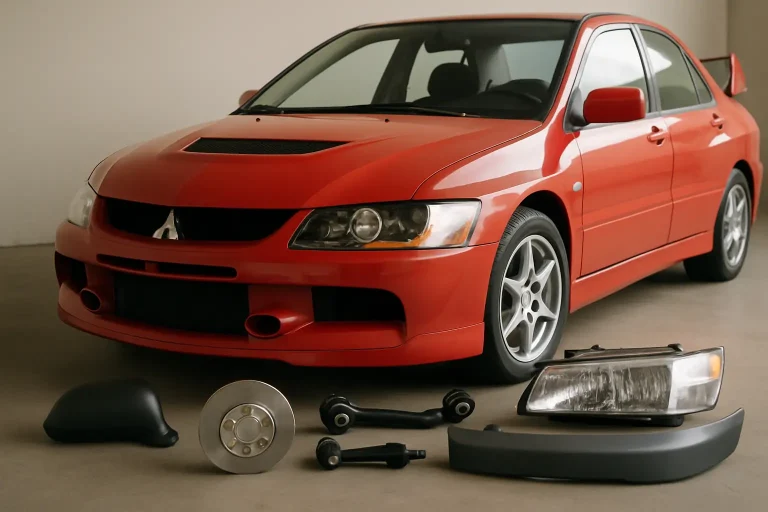
If you want parts that fit right the first time and are curated for the platform, Evo Motor Parts is built around Evo-only selection and real-world build guidance – the same mindset this guide is based on.
The mistakes that waste money (and how to avoid them)
The most common mistake is buying parts for peak numbers and skipping the supporting pieces. A loud exhaust without intercooling and tuning can feel worse than stock when the ECU starts protecting the engine.
Another common miss is stacking parts that change airflow measurement without planning calibration. The Evo X ECU is smart, but it’s still working off the sensors you give it. If you change the intake tract, boost control, and exhaust flow, you want a tune that ties the system together.
Finally, don’t ignore traction and braking. If you can’t put power down cleanly or you can’t stop the car repeatedly, more horsepower just makes your problems happen faster.
Keep your mod path honest. Build for repeatability, not bragging rights, and you’ll end up with an Evo X that feels like it was engineered that way from the start – because, in a careful sense, it was.